
Hospital Falls
Patient falls are the most common adverse events reported in hospitals. Many can be prevented.
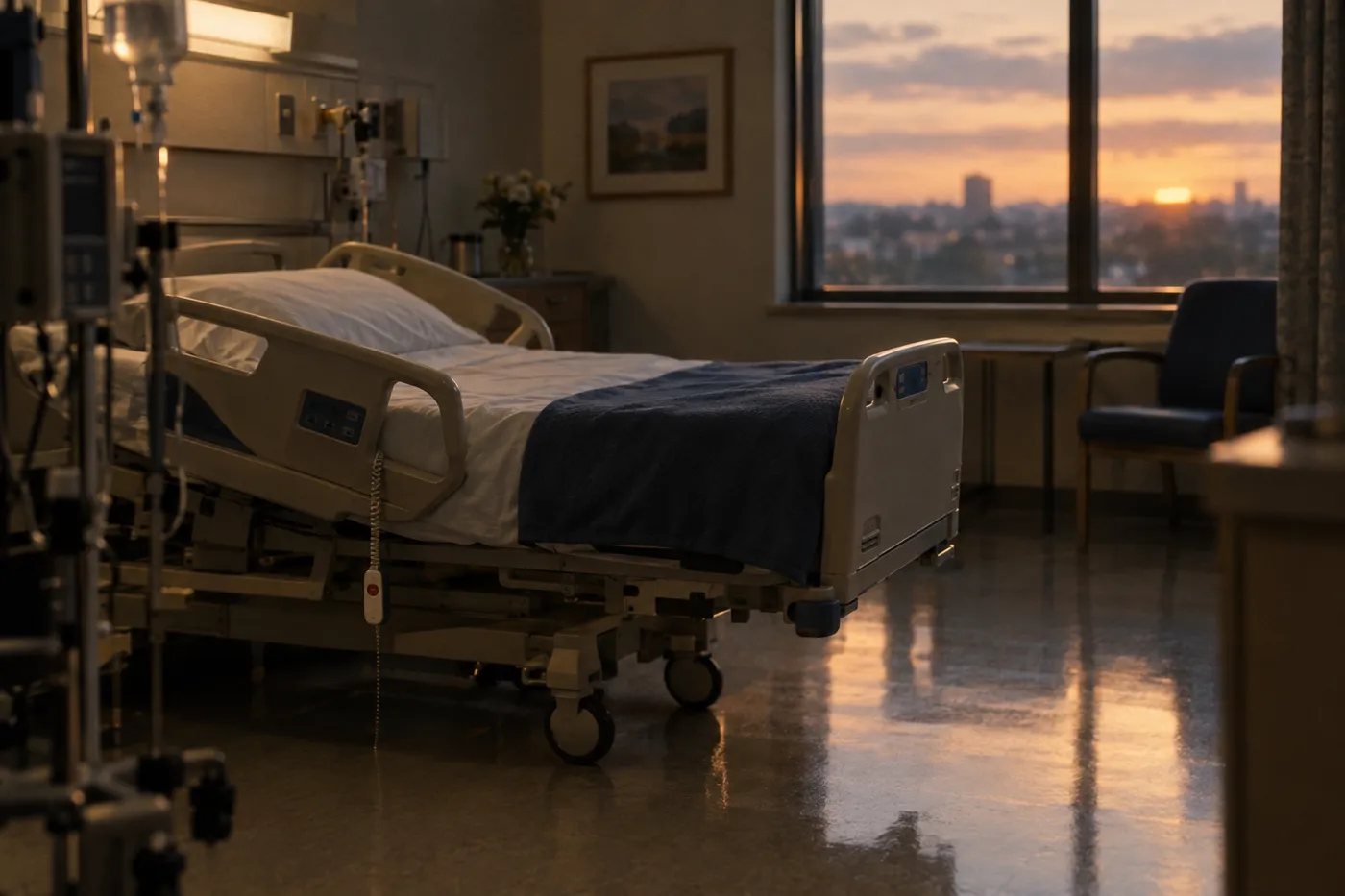
Hospital falls resulting in serious injury or death
Patient falls are the most common adverse events reported in hospitals. Reports indicate that each year approximately 700,000 to 1 million patient falls occur in U.S. hospitals. These falls are reported to result in 250,000 injuries and up to 11,000 deaths. About 25% of all falls result in injury, and 10% result in serious injuries. In 2008, the Centers for Medicare & Medicaid Services (CMS) stopped reimbursing hospitals for fall-related injuries.
Hospitals should have policies and procedures to address patient fall risk, fall prevention, and injury prevention. All hospitals must identify patients at risk for falls, implement strategies to prevent falls, and use devices to reduce injuries from falls.
Hospitals must also recognize that certain medications and medical conditions place patients at greater risk for falls. Hospital staff must be trained on the hospital's fall and injury prevention policies and procedures, and hospitals must have sufficient staff to properly monitor and supervise patients at high risk for falls.
Falls in nursing homes, assisted living facilities, and hospitals
A fall is defined as an incident, whether seen or not, where a patient is found on the floor. Falls commonly result in hip fractures and head injuries. Hip fractures usually require surgical repair, and elderly and infirm people who sustain hip fractures have a 50% chance of dying within one year of hip surgery. Many die much sooner from complications of immobility, such as pneumonia, and surgical complications, such as infection. Head injuries can lead to brain bleeding that, in many instances, is untreatable. Falls can also cause spinal fractures that result in paralysis.
It is important that staff, on admission and frequently thereafter, assess the patient to see if they are at risk for falls. Patients are at risk if they have a history of prior falls, are on medications that lead to falls, have a history of strokes, have poor safety awareness or instability, or are in a new and unfamiliar environment. Poor lighting, improper shoes or socks, slippery floors, and the wrong equipment also increase the risk.
Interventions that prevent falls and injuries
- Put the patient in a low bed
- Use safety mats next to the bed
- Put an alarm on the bed, wheelchair, and patient
- Place hip protectors on the patient
- Take the patient to the bathroom every two hours
- Timely answer the call light
- Use a bedside commode
- Frequent monitoring
- Staff training
- Sitters
The best intervention is a plan. When the patient is at risk for falls, it is important to make sure that a plan is in place to address that risk. If the plan does not work, the facility needs a different plan.
Restraints should rarely, if ever, be used, and only a physician can order them. A bed rail is a restraint unless the patient can use it to help them move or turn in bed. If a bed rail is used only to keep a patient in bed, it is being used as a restraint. Bed rails can be dangerous because patients may try to climb over them.
Confidentially, tell us about your case.
We accept only cases involving wrongful death or serious injury caused by negligence in nursing homes, assisted living and memory care facilities, and hospitals. If that describes what happened to you or someone you love, we want to hear from you.
- Call
- 919-836-5551
- Office
- 118 St. Marys Street, Raleigh, NC 27605-1809
Thank you. We will be in touch.
An attorney will review what you shared. If your matter is urgent, please call us at 919-836-5551.