
Nursing Home Negligence
When a nursing home resident is seriously injured or dies because of neglect, we hold the facility accountable.
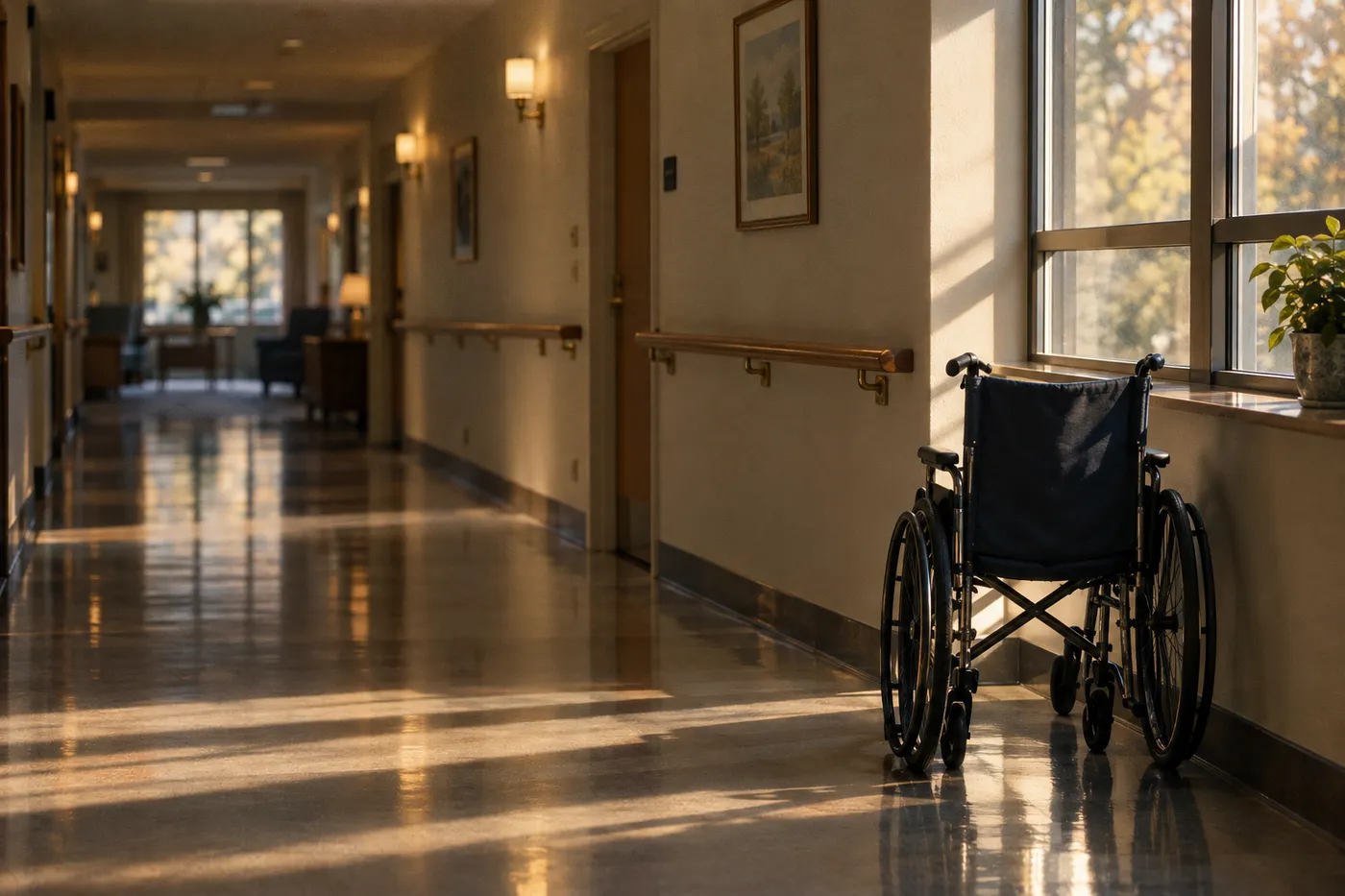
Nursing home negligence takes many forms
Nursing homes in North Carolina are required to comply with North Carolina statutes and federal laws. These laws are designed to protect nursing home residents from injury and harm. They relate to many aspects of nursing home care, including safety, falls, accidents, pressure sores, nutrition, staffing, care planning, communications with health care providers, documentation, policies and procedures, reporting of suspected abuse and neglect, elopement, wandering, infection control, and many other aspects of care.
Although not all falls, pressure sores, and other injuries are preventable, many can be prevented by the exercise of reasonable care, sufficient staffing, proper plans of care, timely communication with healthcare providers, and accident and injury prevention mechanisms.
If you believe that you or your loved one was seriously injured or died as a result of nursing home negligence, tell us confidentially using the form below.
How do you know if there is nursing home negligence?
Falls
Most nursing home residents are at risk for falls. Although not all falls are preventable, the law requires a nursing home to comply with the standards of nursing home practice, including North Carolina regulations and federal statutes, to attempt to prevent falls.
Fall prevention includes recognizing a resident's risk for falls, implementing interventions to try to prevent falls, modifying interventions if falls continue, implementing interventions to prevent injuries from falls (floor mats, pads), ensuring that there is adequate staff to monitor the residents, notifying the proper healthcare providers of falls, recognizing medication side effects, timely toileting, and conducting fall investigations.
Stage 3 and 4 pressure sores
Although not all pressure sores are preventable, many are. Pressure sores are generally caused by a number of factors, including unrelieved pressure, damp skin, poor nutrition, and poor hydration. Residents with certain medical conditions are at higher risk, including those with diabetes, hypertension, malnutrition, peripheral vascular disease, and cancer.
Nursing homes are required to assess all residents for risk of pressure sores, implement interventions to address that risk, routinely inspect all residents' skin, implement treatments to address any early pressure sores, report pressure sores to health care providers including physicians and physician assistants, consult wound care experts if ordered by a physician, and notify registered dietitians of the development of pressure sores or nutritional issues.
Confidentially, tell us about your case.
We accept only cases involving wrongful death or serious injury caused by negligence in nursing homes, assisted living and memory care facilities, and hospitals. If that describes what happened to you or someone you love, we want to hear from you.
- Call
- 919-836-5551
- Office
- 118 St. Marys Street, Raleigh, NC 27605-1809
Thank you. We will be in touch.
An attorney will review what you shared. If your matter is urgent, please call us at 919-836-5551.